Featured
Table of Contents
- – The Expanding Demand for Financial Debt Forgiv...
- – Personal bankruptcy Counseling: The Misunderst...
- – Comparing Your Debt Alleviation Options
- – What Establishes Nonprofit Counseling Apart
- – Indication of Predatory Financial Debt Relief ...
- – Taking the Initial Step Toward Recuperation
- – The Path Forward
Economic stress and anxiety has actually come to be a specifying attribute of contemporary American life. With overall credit card debt surpassing $1.21 trillion and the average cardholder owing more than $6,500, countless people locate themselves entraped in cycles of minimal payments and compounding rate of interest. When charge card rates of interest hover around 23%, also moderate balances can balloon right into overwhelming concerns within months.
For those sinking in debt, the inquiry isn't whether to seek aid-- it's discovering the right kind of aid that will not make matters worse.
The Expanding Demand for Financial Debt Forgiveness Solutions
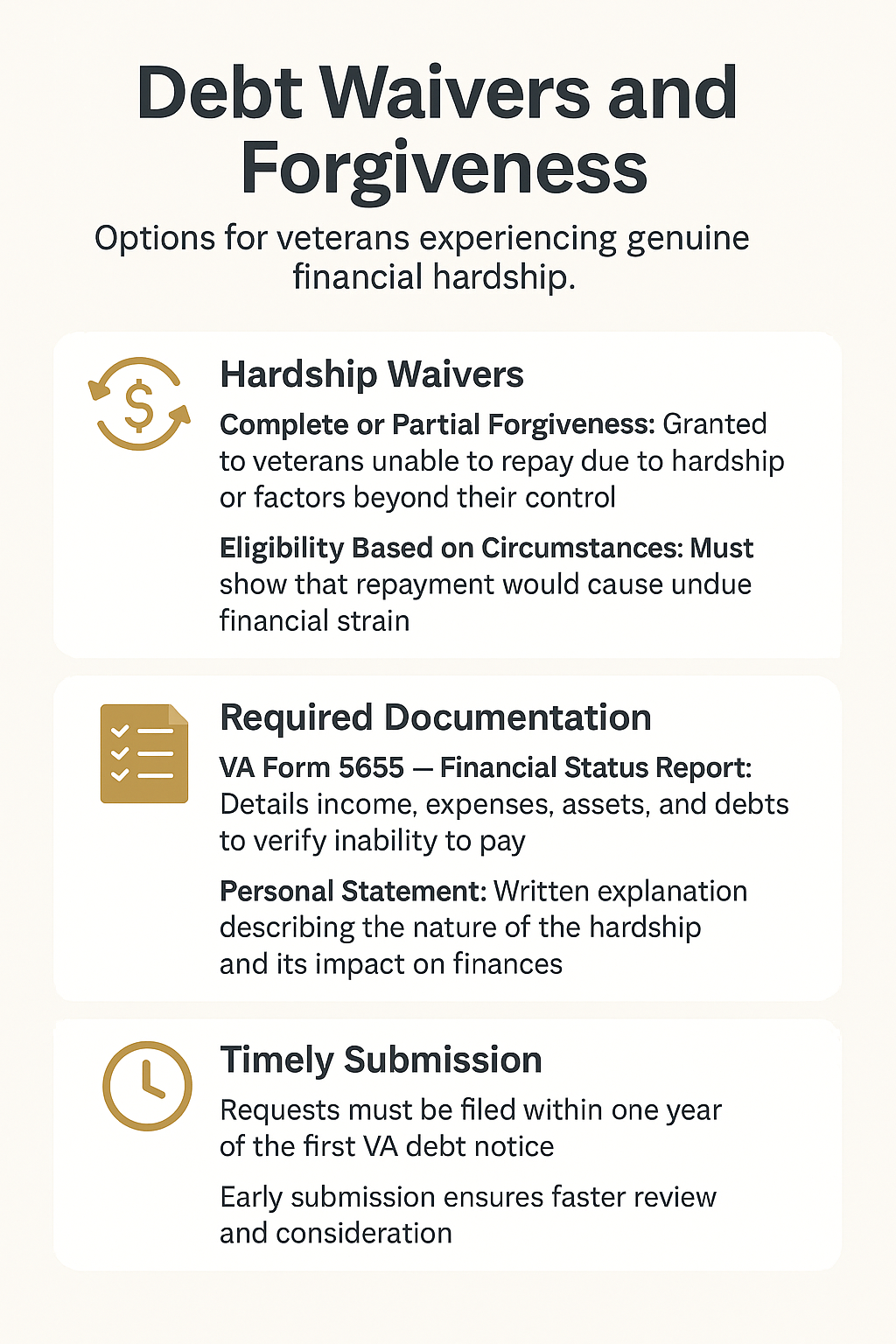
Debt forgiveness has emerged as among one of the most searched economic subjects online, and permanently reason. The idea of working out financial obligations for much less than the total owed offers real hope to individuals that see no sensible path to paying their balances in full.
The process commonly functions such as this: when charge card accounts go unpaid for 120 days or more, financial institutions often bill off the debt. At this phase, they may accept reduced settlements to recuperate at the very least a portion of what's owed. Effective settlements can decrease balances by 30% to 50%, depending on the financial institution and your demonstrated financial difficulty.
Debt mercy isn't free cash. Worked out accounts appear on credit scores reports as "" paid much less than complete balance,"" which influences your rating. In addition, forgiven amounts surpassing $600 might be reported to the IRS as gross income. Understanding these trade-offs prior to seeking negotiation is necessary.
Personal bankruptcy Counseling: The Misunderstood Safeguard
Insolvency carries considerable preconception, yet it continues to be a reputable lawful device created to provide overwhelmed people an authentic new beginning. What lots of people don't realise is that government legislation requires 2 counseling sessions prior to and after declaring-- and these sessions exist particularly to guarantee you're making an educated choice.
Pre-bankruptcy credit history therapy involves a detailed evaluation of your earnings, financial obligations, and expenditures. Qualified therapists existing options you may not have thought about, including financial debt management programs or hardship arrangements. This isn't regarding dissuading insolvency; it's regarding validating it's truly your ideal choice.
Post-bankruptcy borrower education and learning prepares you for monetary success after discharge. You'll learn budgeting strategies, conserving techniques, and debt restoring approaches made to protect against future economic problems.
Organisations like APFSC deal both required courses, with costs around $19.99 per session unless you get challenge waivers. Their accredited counselors offer same-day certifications, and sessions normally run 60 to 90 minutes. This accessibility issues when you're currently worried about financial resources.
Comparing Your Debt Alleviation Options
Recognizing the landscape of financial debt alleviation helps you make educated choices. Each technique brings distinct advantages and disadvantages.
Debt Management Programs combine multiple unprotected financial obligations right into single regular monthly settlements. Therapists work out with financial institutions to potentially minimize rate of interest without needing brand-new car loans. The majority of clients full these programs within 3 to 5 years. The main advantage is paying debts completely while minimizing overall rate of interest paid.
Financial obligation Negotiation bargains minimized reward amounts, commonly 30% to 50% less than owed. This strategy requires stopping settlements to creditors while building up negotiation funds, which harms credit history ratings during the procedure. Outcomes vary based upon lender readiness and your demonstrated difficulty.
Insolvency supplies court security while getting rid of or reorganizing financial obligations. Chapter 7 sells off specific assets to release unprotected financial obligations promptly. Phase 13 establishes three-to-five-year repayment prepare for those with routine revenue. Bankruptcy remains on credit rating reports for 7 to 10 years yet provides one of the most comprehensive fresh beginning.
Credit history Therapy provides education and learning and guidance without necessarily registering in official programs. Certified counselors evaluate your full monetary picture and recommend suitable next steps, which could include any of the above choices.
What Establishes Nonprofit Counseling Apart
The difference in between nonprofit and for-profit financial debt relief firms matters significantly. Nonprofit companies like those certified by the National Foundation for Credit Counseling (NFCC) operate under strict moral guidelines and cost regulations. Their counselors undertake rigorous qualification and needs to recertify every two years.
For-profit financial obligation negotiation companies, conversely, might bill fees varying from 15% to 25% of signed up debt balances. Some use aggressive sales strategies and make unrealistic guarantees regarding results. The Consumer Financial Security Bureau has actually documented various grievances about predatory practices in this sector.
APFSC operates as a not-for-profit therapy company, providing free financial obligation monitoring appointments and controlled fees for continuous services. Their HUD-approved real estate counselors add worth for those dealing with repossession along with basic debt issues. Providers are offered in English, Spanish, and Portuguese, expanding accessibility to underserved communities.
Research sustains the performance of nonprofit counseling. A research study commissioned by the NFCC located that debt counseling clients minimized revolving debt by $3,600 even more than comparison groups during the 18 months following their sessions. Almost 70% of participants reported better finance and greater economic self-confidence.
Indication of Predatory Financial Debt Relief Provider
Not all debt relief companies have your benefits in mind. Recognising warnings safeguards you from making a difficult scenario worse.
Be cautious of companies that ensure specific outcomes. No reputable service can guarantee exact negotiation portions or timeline assurances due to the fact that end results depend on individual creditors and circumstances.
Prevent any kind of business requiring large ahead of time costs before offering solutions. Legit nonprofit counseling provides complimentary preliminary appointments, and for-profit negotiation companies are lawfully restricted from gathering charges up until they effectively work out at the very least one debt.
Concern any individual suggesting you to quit communicating with financial institutions completely without explaining the effects. While critical interaction stops briefly in some cases sustain negotiations, complete avoidance can lead to suits, wage garnishment, and added damages.
Reputable firms discuss all alternatives truthfully, consisting of alternatives that may not entail their paid solutions. If a firm presses just one solution no matter your situation, seek support somewhere else.
Taking the Initial Step Toward Recuperation
Financial healing begins with sincere assessment. Gather your newest statements for all debts, compute your overall obligations, and assess your reasonable month-to-month payment ability. This info develops the structure for any kind of productive therapy session.
Take into consideration scheduling free appointments with numerous not-for-profit companies prior to committing to any type of program. Compare their suggestions, charge frameworks, and interaction styles. The right therapy connection need to really feel helpful instead of pressing.
Organisations like APFSC provide online conversation, phone examinations, and thorough consumption procedures created to recognize your unique circumstance before suggesting services. Their financial debt monitoring calculator helps you visualise possible timelines and savings prior to registering.
The Path Forward
Frustrating financial debt does not specify your future-- yet neglecting it will. Whether debt mercy, personal bankruptcy therapy, or organized financial debt administration makes sense for your circumstance depends on elements distinct to your circumstances.
Expert support from certified nonprofit therapists illuminates alternatives you might never uncover individually. These solutions exist especially to help individuals like you browse complex monetary obstacles without predative fees or impractical guarantees.
The typical American struggling with financial obligation waits far also long prior to seeking help, permitting rate of interest to substance and choices to slim. Each month of hold-up prices cash and prolongs your healing timeline.
Bankruptcy Counseling : APFSC’s Guidance for Financial ReliefYour very first conversation with a qualified counselor expenses absolutely nothing however might change everything. Financial flexibility isn't booked for the lucky-- it's offered to anybody ready to take that first step towards understanding their options and dedicating to a practical plan.

Table of Contents
- – The Expanding Demand for Financial Debt Forgiv...
- – Personal bankruptcy Counseling: The Misunderst...
- – Comparing Your Debt Alleviation Options
- – What Establishes Nonprofit Counseling Apart
- – Indication of Predatory Financial Debt Relief ...
- – Taking the Initial Step Toward Recuperation
- – The Path Forward
Latest Posts
How Pricing Clarity That Reputable Providers Don't Have can Save You Time, Stress, and Money.
The smart Trick of Comparing APFSC to Find the Best Partner That Nobody is Discussing
An Unbiased View of The Truth About Debt Relief Options in Uncertain Times
More
Latest Posts
How Pricing Clarity That Reputable Providers Don't Have can Save You Time, Stress, and Money.
The smart Trick of Comparing APFSC to Find the Best Partner That Nobody is Discussing
An Unbiased View of The Truth About Debt Relief Options in Uncertain Times